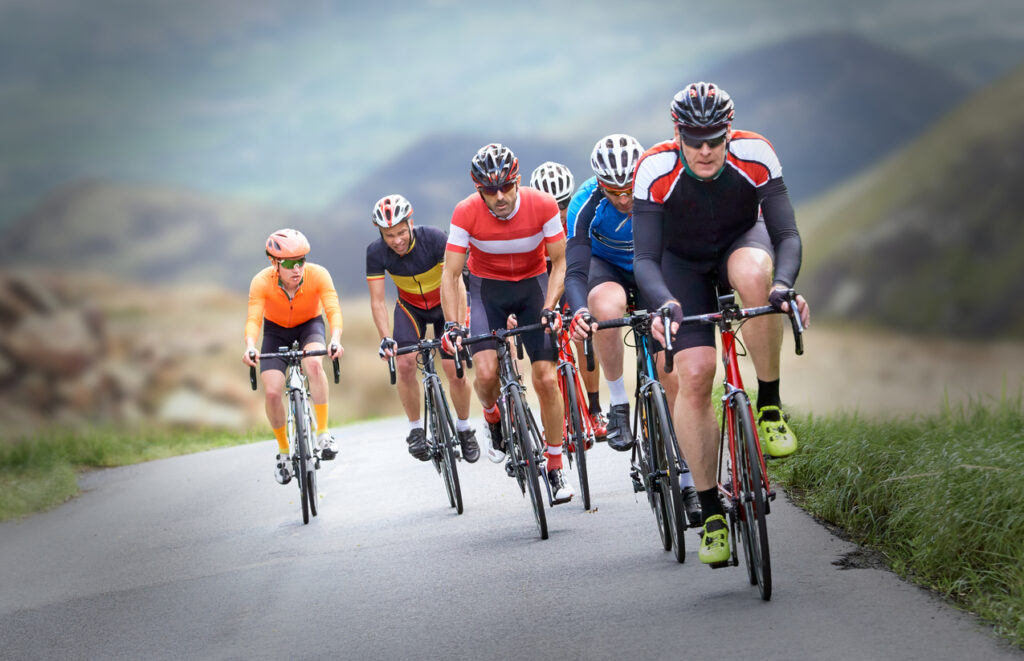
The 112th edition of Liege-Bastogne-Liege takes place on Sunday 26 April 2026, as the oldest of cycling’s five Monuments returns to the Ardennes for another gruelling day of racing. Known as “La Doyenne” (The Old Lady), this UCI WorldTour one-day classic covers approximately 259.5 kilometres from Liege to Bastogne and back, with 4,395 metres of climbing across ten categorised ascents. Defending champion Tadej Pogacar heads the field as he hunts a fourth victory at the race, with Remco Evenepoel expected to provide his fiercest rival on the punchy climbs of eastern Belgium.
What is Liege-Bastogne-Liege?
Liege-Bastogne-Liege is the oldest of cycling’s five Monuments, a group of prestigious one-day races that form the pinnacle of professional road cycling’s classics calendar. First held in 1892, it is organised by ASO (Amaury Sport Organisation) and forms the finale of the Ardennes Classics trilogy, following Amstel Gold Race and La Fleche Wallonne earlier in the week.
The race is a supreme test of endurance and climbing ability. Riders set out from Liege heading south towards the turning point at Bastogne, before returning north through the rolling hills of the Belgian Ardennes. The route packs in ten categorised climbs, with the decisive action typically unfolding on the final trio of ascents. It is a race that rewards pure strength on short, steep hills and the tactical intelligence to time attacks over a long day in the saddle.
A women’s edition, Liege-Bastogne-Liege Femmes, takes place on the same day, covering over 156 kilometres from Bastogne to Liege with 2,830 metres of climbing and sharing the same dramatic finale as the men’s race.
When is Liege-Bastogne-Liege 2026?
The 2026 edition takes place on Sunday 26 April. The men’s race typically begins in the late morning, with coverage starting around 10:00 CEST (09:00 BST, 04:00 ET). The peloton is expected to reach the finish in Liege between 16:30 and 17:00 CEST, depending on race pace and weather conditions. The women’s race starts earlier in the day, with their finish preceding the men’s finale.
Where is Liege-Bastogne-Liege?
The race starts and finishes in Liege, the largest city in Wallonia, Belgium’s French-speaking southern region. The course heads south to the small town of Bastogne, famous for its role in the Battle of the Bulge during the Second World War, before looping back north through the Ardennes hills.
The key climbs are concentrated in the final 100 kilometres. The Cote de Wanne, Cote de Stockeu, and Col de Haute-Levee begin to separate the contenders in the middle portion. The Col du Rosier and Col du Maquisard maintain the pressure, before the race reaches its decisive phase. The Cote de La Redoute, with approximately 35 kilometres remaining, is one of the most iconic climbs in cycling, where many editions have been decided. The Cote de la Roche-aux-Faucons is the last categorised climb before the flat run-in to the finish in central Liege. The finish returned to the city centre in 2019 after spending 27 years at the industrial suburb of Ans.
Key Contenders
Tadej Pogacar (UAE Team Emirates) arrives as the overwhelming favourite, seeking a fourth Liege-Bastogne-Liege victory after winning in 2021, 2024, and 2025. His 2025 triumph was a masterclass: the Slovenian attacked on La Redoute with 35 kilometres remaining and soloed to the finish, crossing the line over a minute clear of Giulio Ciccone. A fourth win would move him to within one of Eddy Merckx’s all-time record of five victories. Pogacar has been in dominant form through the spring classics and will be targeting a clean sweep of the Ardennes trilogy.
Remco Evenepoel (Soudal-QuickStep), the 2022 and 2023 winner, is the strongest challenger. The world champion is dropping in from altitude training ahead of the Giro d’Italia and has the explosive climbing ability to match Pogacar on the Ardennes hills. Their rivalry is the defining storyline of the 2026 edition, with two riders who have won five of the last six editions between them.
Beyond the top two, several riders can contend for the podium. Ben Healy (EF Education-EasyPost) took third in 2025 and has the aggressive racing style suited to La Doyenne. Matteo Jorgenson (Team Visma-Lease a Bike) and Mattias Skjelmose (Lidl-Trek) are emerging talents with strong Ardennes pedigree. Julian Alaphilippe (Tudor Pro Cycling Team), a former winner, and Tom Pidcock (Pinarello-Q36.5) bring experience and explosive power to the race. Kevin Vauquelin (Arkea-B&B Hotels) and Paul Seixas are among the outsiders capable of a breakthrough result.
How to Watch
Liege-Bastogne-Liege has extensive global broadcast coverage. In the United Kingdom, live coverage is available on TNT Sports and its streaming platform Discovery+. Both require a subscription. In the United States, Peacock holds exclusive rights to ASO races, with coverage available through Peacock Premium (from $10.99 per month). Across Europe, Eurosport and Discovery+ (transitioning to Max in 2026) provide live coverage.
In France, the race is also broadcast on France Televisions, offering free-to-air coverage. In Australia, SBS provides coverage, while Sky broadcasts the race in New Zealand. FloBikes covers the race in the United States and Canada. Fans should check local listings closer to race day, as the transition from Discovery+ to Max may affect some territories.
History and Records
Liege-Bastogne-Liege was first held on 29 May 1892, organised by the Liege cycling club Pesant Club Liegeois and the newspaper Les Nouvelles. Leon Houa won the inaugural edition and went on to claim the first three editions, setting an early standard of dominance. The race has been held annually since, with interruptions only during the two World Wars, making it by far the oldest of the five Monuments and one of the oldest events in all of cycling.
Eddy Merckx holds the record for the most victories with five wins (1969, 1971, 1972, 1973, 1975). His 1971 victory, in atrocious snow and freezing conditions, saw him attack 92 kilometres from the finish and ride alone to one of the most celebrated solo wins in the sport’s history. Moreno Argentin (four wins) and Alejandro Valverde (four wins) are next on the all-time list. The 1980 edition is legendary for its brutality: Bernard Hinault won in a snowstorm so severe that only 21 of the 174 starters reached the finish.
In more recent history, Philippe Gilbert’s 2011 victory completed a historic quadruple of spring classics wins within ten days. Remco Evenepoel set the fastest-ever average speed at the 2022 edition, finishing at 41.397 km/h. Pogacar’s three consecutive victories in 2021, 2024, and 2025 (he missed 2022 and 2023 through schedule choices) have established him as the dominant force of the current era.
Tickets and Attendance
As a road cycling event on public roads, Liege-Bastogne-Liege is free to watch from the roadside. Spectators can position themselves along any point of the 259.5-kilometre route, with the most popular vantage points being the iconic climbs of La Redoute and the Roche-aux-Faucons, as well as the finish line in central Liege.
For those seeking a premium experience, several operators offer VIP hospitality packages. Sportive Breaks and Sports Tours International provide packages that include prime viewing positions on the key climbs, hospitality tents with food and drink, and expert commentary. These packages typically require a minimum booking of four tickets. Prices vary by provider and package level. Fans looking to ride the course themselves can enter the Liege-Bastogne-Liege Challenge, a sportive event held on the same weekend that follows sections of the professional race route.
Frequently Asked Questions
When does Liege-Bastogne-Liege 2026 start?
The 2026 edition takes place on Sunday 26 April, with the men’s race expected to start in the late morning (approximately 10:00 CEST) and finish between 16:30 and 17:00 CEST.
Where is Liege-Bastogne-Liege being held?
The race starts and finishes in Liege, Belgium, with a turning point at Bastogne. The course passes through the Ardennes hills of eastern Belgium.
How can I watch Liege-Bastogne-Liege?
In the UK, TNT Sports and Discovery+ have live coverage. In the US, Peacock holds exclusive rights. Eurosport and Discovery+/Max cover the race across Europe, while SBS broadcasts in Australia.
Who won Liege-Bastogne-Liege last year?
Tadej Pogacar won the 2025 edition, soloing to victory after attacking on La Redoute with 35 kilometres remaining. He finished over a minute ahead of Giulio Ciccone, with Ben Healy in third place.